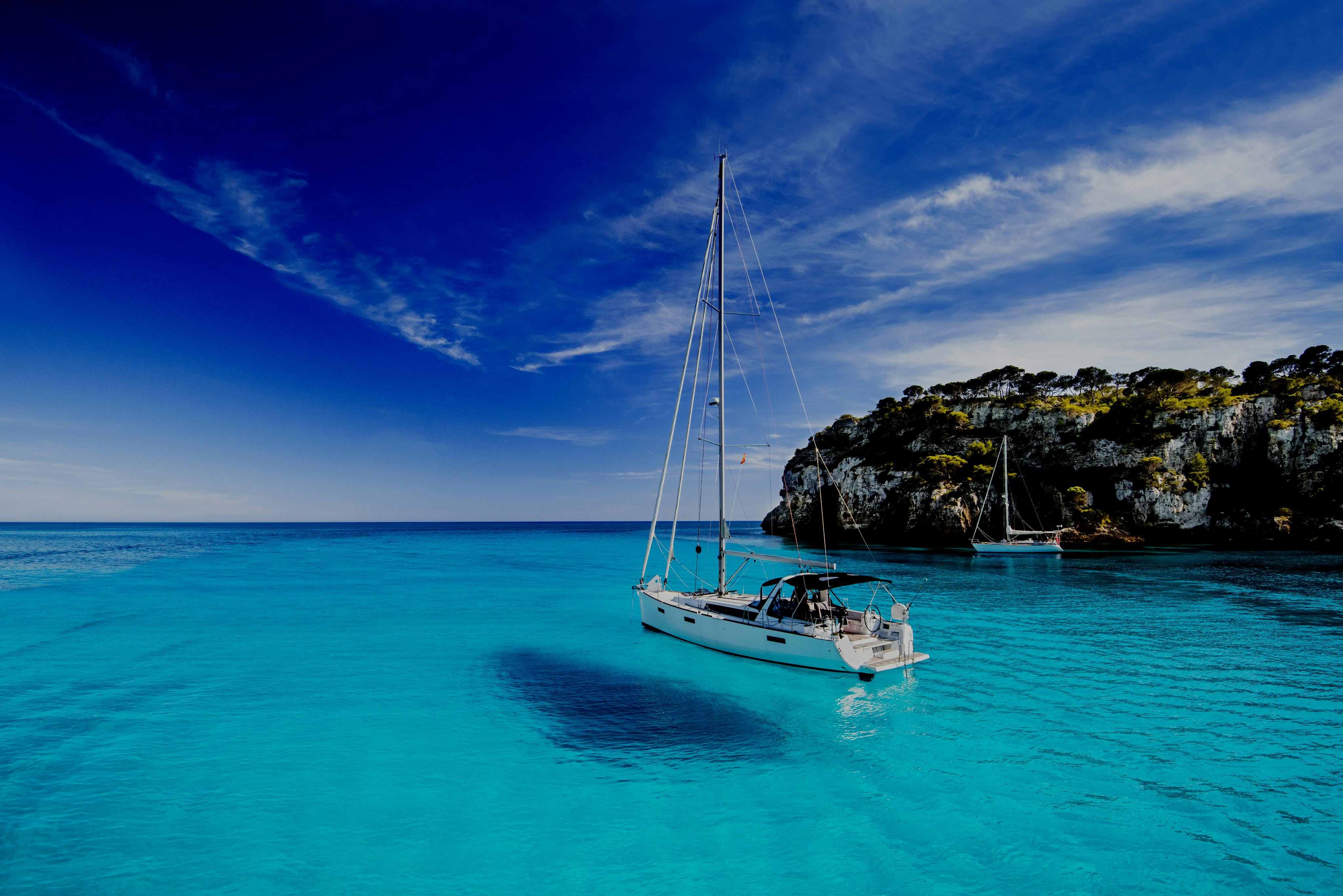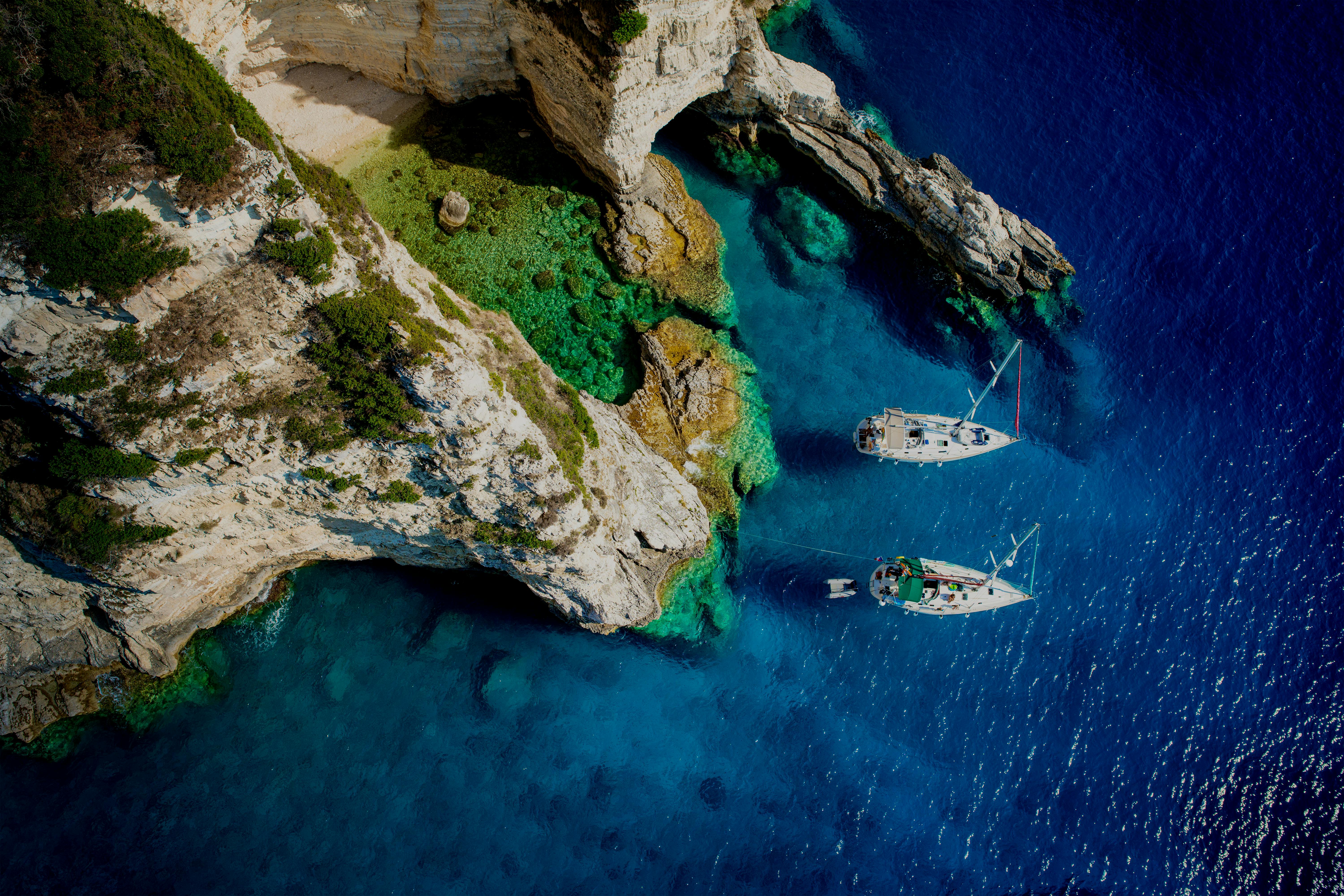
Dreaming of a sun-soaked winter escape? Few destinations rival the British Virgin Islands (BVIs), a world-class sailing paradise where turquoise waters meet powder-white beaches, coral gardens, and a gentle rhythm of island life. With winter temperatures between 24°C and 30°C (75°F–86°F), steady northeasterly trade winds (15–20 knots), and calm, protected waters, this season is the perfect time to explore the archipelago by boat.
From legendary snorkelling spots to beach bars accessible only by sea, each island offers its own personality — and the true magic of the BVIs lies in how effortlessly you can hop from one gem to the next.
Why Choose the British Virgin Islands for Your Next Sailing Holiday
Ideal Sailing Conditions
Reliable trade winds, calm seas and clear visibility make the BVIs one of the most pleasant and predictable sailing areas in the world.
Short, Scenic Passages
Most islands lie only a few nautical miles apart, so you can enjoy relaxed legs with plenty of time for swimming, snorkelling and exploring ashore.
Exceptional Anchorages
From sheltered bays to coral-fringed beaches and marine parks, there is a safe and beautiful anchorage for every day of your itinerary.
Perfect for All Crew Types
Families, couples and groups of friends will all find a balance of adventure, comfort and easy logistics, whether on a bareboat or crewed charter.
The BVIs are one of the most sought-after sailing grounds in the world: compact, well-sheltered and incredibly diverse. Ideal for both first-time charterers and experienced skippers.
Why a Catamaran is the Best Choice in the BVIs
-
Shallow draftAccess sandbars, beach-fringed anchorages and reef areas with ease.
-
Stability and comfortReduced rolling at anchor and smooth passages improve comfort for all aboard.
-
Generous living spaceWide decks, large saloon and spacious cockpit create ideal social areas for dining and relaxing.
-
Easy manoeuvringTwin engines and good visibility make docking and mooring simpler, especially for less experienced crews.
Where Are the British Virgin Islands and How to Get There
The British Virgin Islands sit in the northeastern Caribbean, east of Puerto Rico and north of the US Virgin Islands. They are a British Overseas Territory made up of four main islands:
- Tortola – main hub, capital Road Town.
- Virgin Gorda – home to The Baths and North Sound.
- Anegada – low-lying coral island with long beaches.
- Jost Van Dyke – renowned for beach bars and laid-back charm.
Plus more than 50 smaller cays and islets that make the BVIs a compact yet endlessly explorable sailing playground.
From Europe
- Fly to Caribbean hubs such as Antigua (ANU) or St. Martin (SXM), then connect by regional flight to Tortola (EIS).
- Some routes connect via St. Thomas (STT) followed by a ferry to Tortola.
From North America
- Connect via San Juan, Puerto Rico (SJU) or St. Thomas (STT) and continue to Tortola by regional flight.
- Alternatively, take a ferry from St. Thomas to Tortola if flight options are limited.
Travel Tip: Winter is peak season. Book flights and ferries early, especially around Christmas and New Year.
Winter Weather and Sailing Conditions
- Generally calm seas within the Sir Francis Drake Channel.
- Lower rainfall and high visibility for snorkelling and diving.
- Note: Hurricane season runs from June to November. For relaxed charter holidays, winter is the best and safest period.
Practical Tips for Your BVI Charter
Provisioning & Supplies
- Large supermarkets and provisioning services in Road Town (Tortola).
- Smaller islands have limited shops; stock up on essentials before departure.
Moorings & Marine Parks
- National Parks mooring buoys protect sensitive seabeds in popular spots.
- Many private moorings in busy bays; check booking options with your base.
Fuel, Water & Services
- Fuel and water are available at marinas on Tortola, Virgin Gorda, Anegada and Jost Van Dyke.
- Most bases can arrange snorkelling gear, SUPs and other water toys.
Connectivity & Formalities
- Good mobile coverage around the main islands; patchy near offshore reefs.
- Check current entry requirements and passport validity before you travel.
7-Day Sailing Itinerary in the British Virgin Islands
This classic one-week route combines iconic highlights, relaxed anchorages and plenty of time in the water. Distances are approximate and may vary depending on exact anchorages and conditions.
Day 1 – Tortola (Road Town) to Pelican Island and Norman Island
Start your journey in Road Town, Tortola, where you’ll complete your check-in, briefing and provisioning. Once you are ready to cast off, head to Pelican Island and the nearby Indians, renowned for their dramatic rock formations and excellent snorkelling.
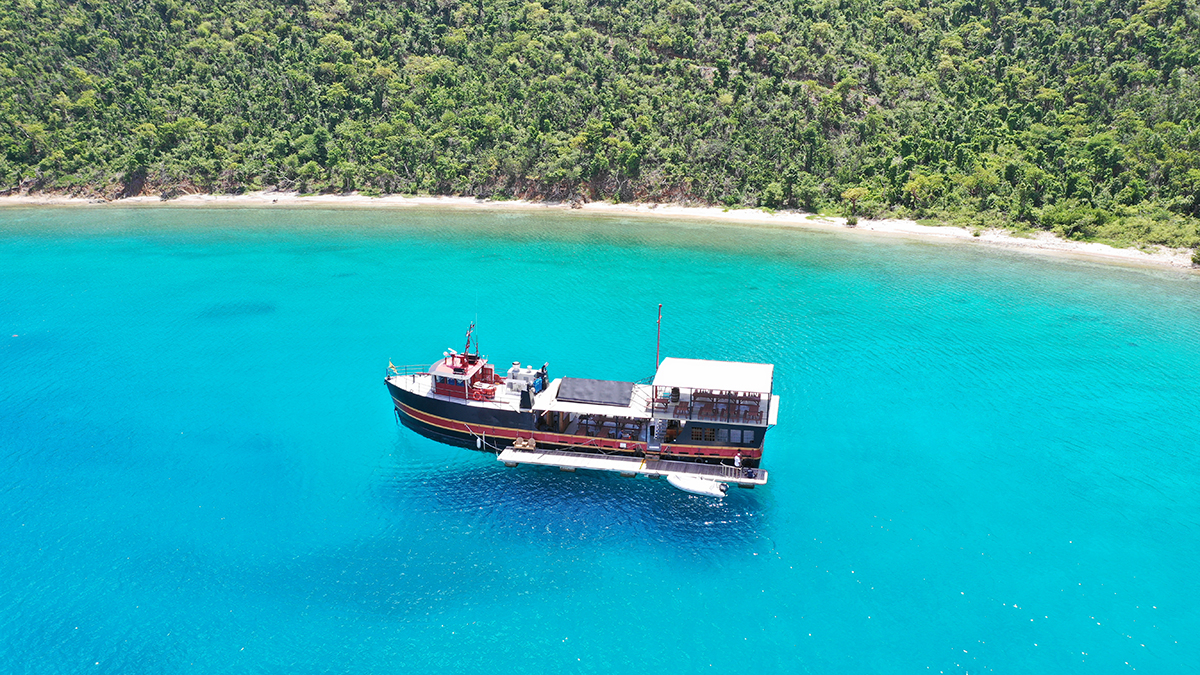
Continue to Norman Island, widely believed to have inspired Robert Louis Stevenson’s Treasure Island. Here you can explore the Treasure Point Caves, accessible at sea level by dinghy or directly by swimming.
Don’t miss: A stop at the famous floating bar and restaurant Willy T for an atmospheric evening on the water.
Day 2 – Norman Island to Peter Island and Cooper Island
Sail to Peter Island and drop anchor off Deadman’s Bay, a sweeping arc of white sand framed by palm trees. This is an ideal spot for a relaxed swim or paddleboard session in the morning.
In the afternoon, continue to Cooper Island and pick up a mooring in Manchineel Bay. The Cooper Island Beach Club offers excellent food, a well-known rum bar and a boutique, making it a favourite stop among charter crews.
For adventure lovers: Arrange a dive or snorkelling excursion to Salt Island to explore the wreck of the RMS Rhone, one of the Caribbean’s most famous and atmospheric dive sites.
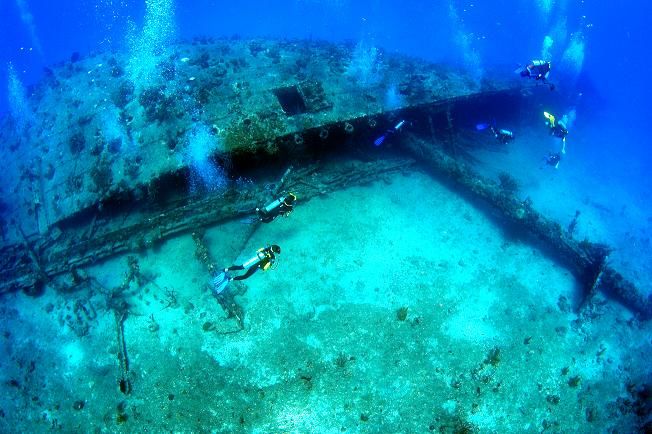
The RMS Rhone shipwreck in Salt Island. Credits: www.tripadvisor.com
Day 3 – Cooper Island to Virgin Gorda (The Baths and Spanish Town)
Set course for Virgin Gorda and spend the morning at Devil’s Bay / The Baths National Park. This unique landscape is formed by enormous granite boulders creating tunnels, grottoes and rock pools, all linked by marked trails.
Later, move on to Spanish Town, where you can pick up a mooring or stay in the marina. It is a convenient base for dinner ashore, fuel, light provisioning and a stroll through town.
Don’t miss: A short hike up to Virgin Gorda Peak for a panoramic view over the surrounding islands.
Tip: The Baths have day-use mooring buoys only. Anchor or moor in a nearby bay and approach by dinghy, following park guidelines and local instructions.
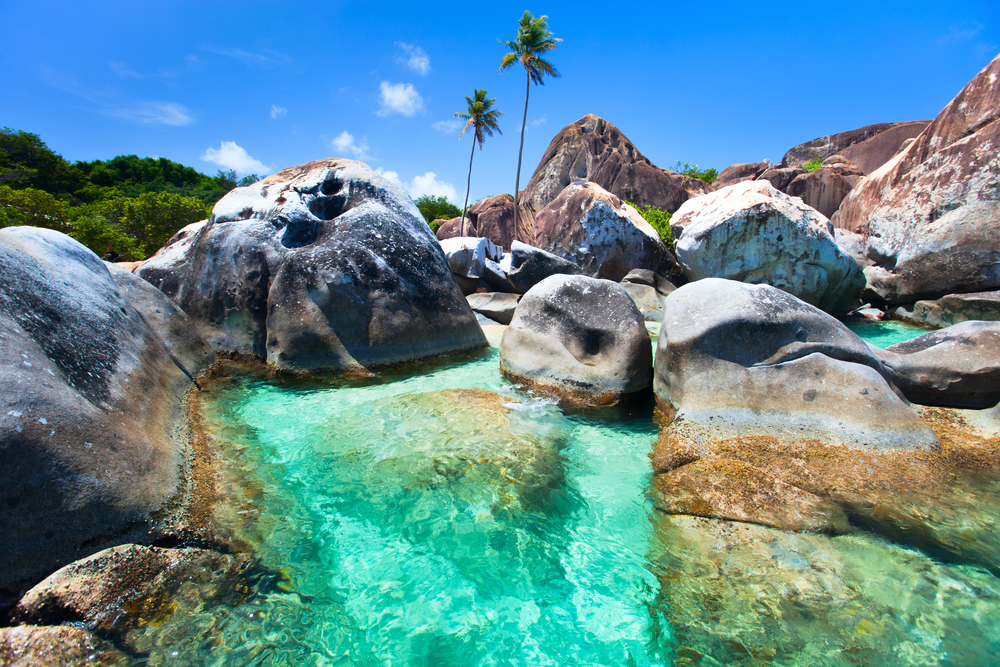
The famous Baths on Virgin Gorda
Day 4 – Virgin Gorda to Anegada
Leave the high islands behind and sail north to Anegada, the only coral island in the BVIs. Low-lying and surrounded by reef, it requires attentive navigation but is well-charted in good visibility.
Once moored, you will discover a completely different atmosphere: long and often empty beaches, shallow turquoise waters and a handful of relaxed beach bars and restaurants.
- Horseshoe Reef: One of the largest barrier reefs in the region, with excellent snorkelling in suitable conditions.
- Loblolly Bay & Cow Wreck Beach: Perfect for lazy beach days and sunset drinks.
- Anegada lobster: A local speciality, often grilled on the beach in the evening.
Don’t miss: Booking a lobster dinner at a place like Potter’s By The Sea, where the day’s catch is often cooked right on the shore.
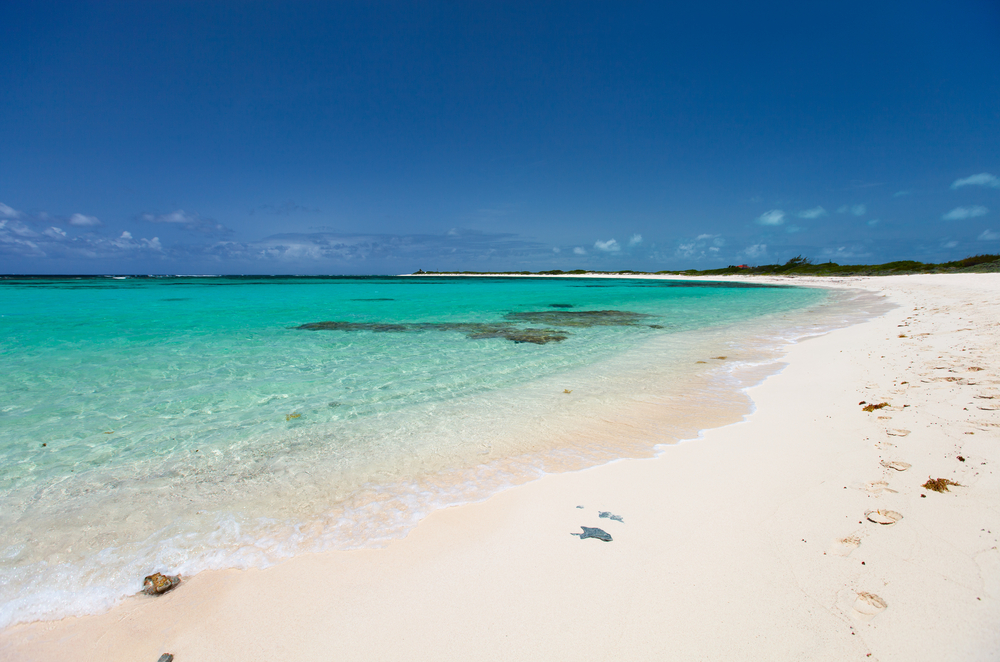
Turquoise waters and white beaches on Anegada Island
Day 5 – Anegada to Beef Island (Trellis Bay)
Enjoy a relaxed morning on Anegada, perhaps exploring the island by scooter or open-air taxi, stopping at the salt ponds to spot flamingos or revisiting a favourite beach.
In the afternoon, sail back towards Beef Island and pick up a mooring in Trellis Bay. Close to the airport yet very sheltered, Trellis Bay is a creative little hub with artisan shops, cafés and a distinctive laid-back feel.
If your visit coincides with the full moon, the Trellis Bay Full Moon Party is a memorable evening of fire art, live music and food stalls.
The calm, enclosed waters make this an ideal spot for kayaking or stand-up paddleboarding at sunset.
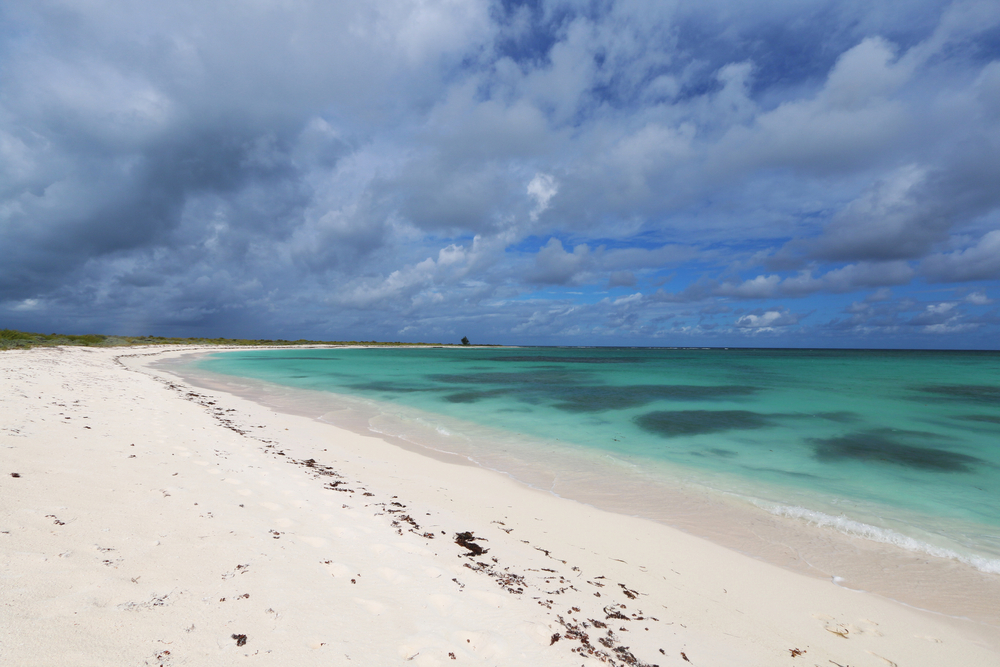
Cow Wreck Beach on Beef Island
Day 6 – Beef Island to Jost Van Dyke and Return to Tortola
From Trellis Bay, head west to Jost Van Dyke, a small island with a big reputation for its beach bars and relaxed atmosphere.
- White Bay: A classic BVI scene of fine white sand and clear turquoise water, ideal for swimming and sunbathing.
- Soggy Dollar Bar: Famous home of the Painkiller cocktail, a mix of rum, pineapple, orange and nutmeg.
- Great Harbour: A popular anchorage with several local restaurants and bars.
After enjoying the day around Jost Van Dyke, set course back to Tortola in the late afternoon or early evening so you can return to your base in good time.
Tip: Plan your arrival carefully to allow time for refuelling and a relaxed final night onboard.
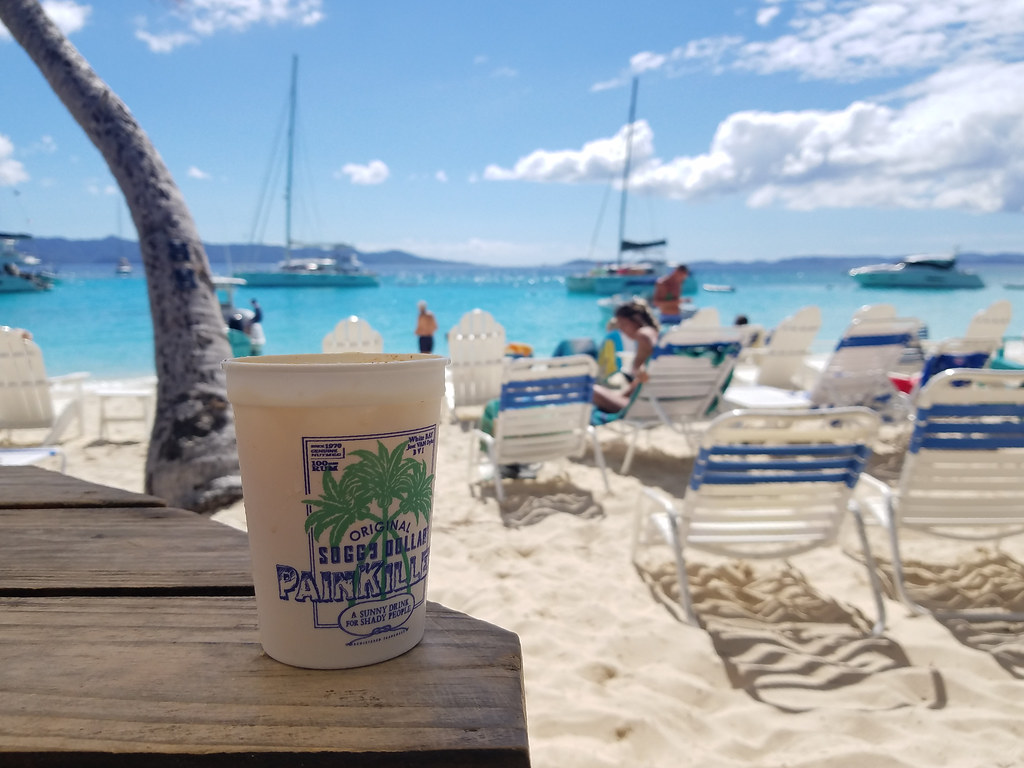
The famous Painkiller, signature cocktail at Soggy Dollar Bar in Jost Van Dyke
Day 7 – Check-Out in Tortola
On the final morning, complete the check-out procedures with your charter base. Returning to the marina the previous evening keeps the process smooth and relaxed, giving you time for any final formalities and one last coffee or breakfast onshore.
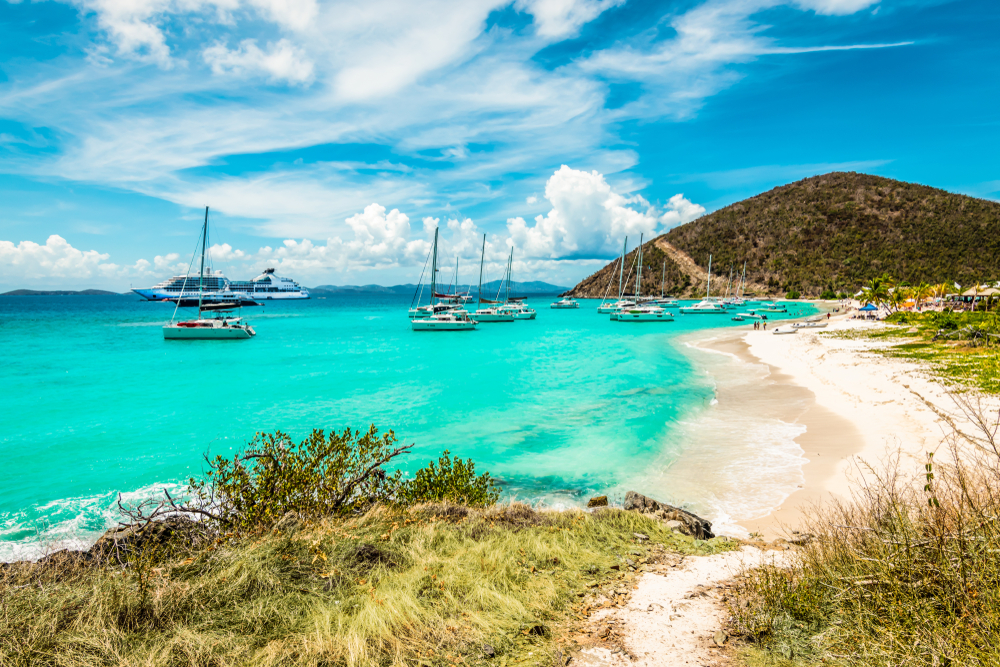
White Bay on Jost Van Dyke Island
Extra Tips for a Perfect BVI Sailing Holiday
Favourite Anchorages
- Cane Garden Bay (Tortola): Beautiful and lively, but check for north swell.
- Little Harbour (Jost Van Dyke): Quiet and well-sheltered, great for spotting turtles.
- North Sound (Virgin Gorda): Sheltered waters with marinas, restaurants and services.
Top Snorkelling Spots
- The Indians and Pelican Island
- The Caves at Norman Island
- Monkey Point (Guana Island)
- Horseshoe Reef and the Cow Wreck area (Anegada)
Wildlife and Etiquette
- Look for turtles, eagle rays, nurse sharks and pelicans along the shores.
- Flamingos can often be seen in the salt ponds of Anegada.
- Greet locals politely, respect marine park rules and avoid anchoring on coral.